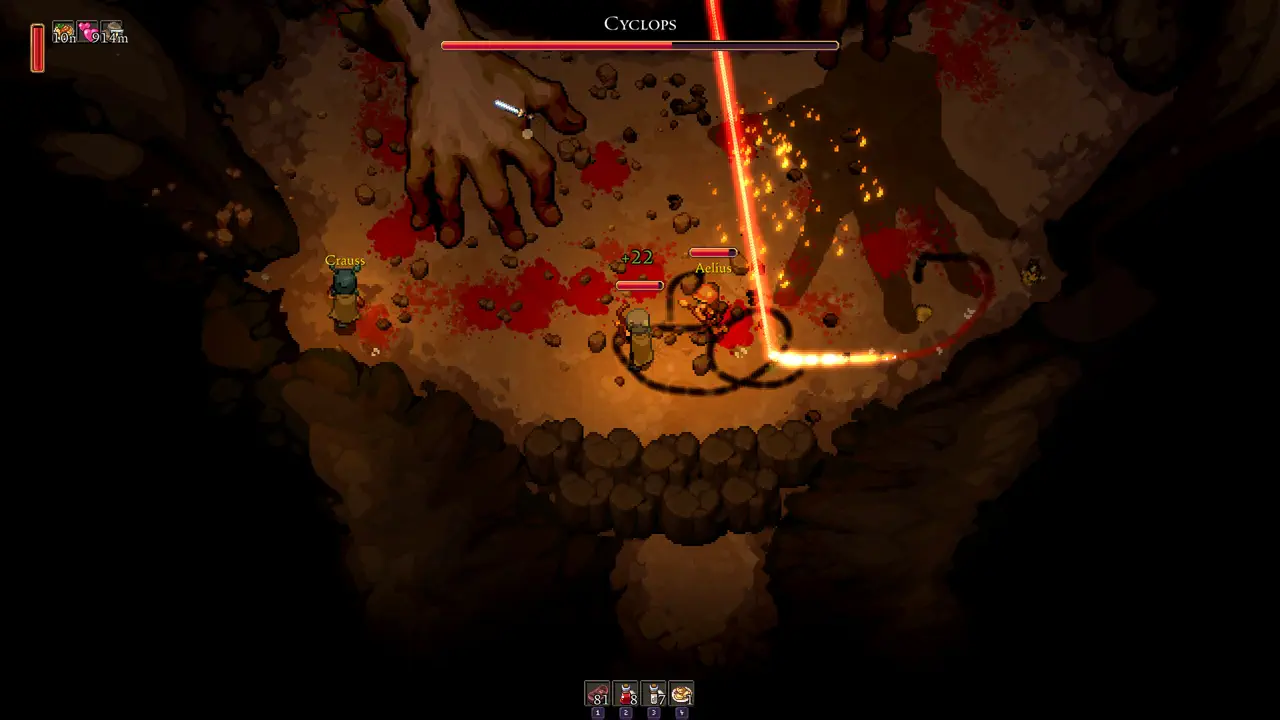
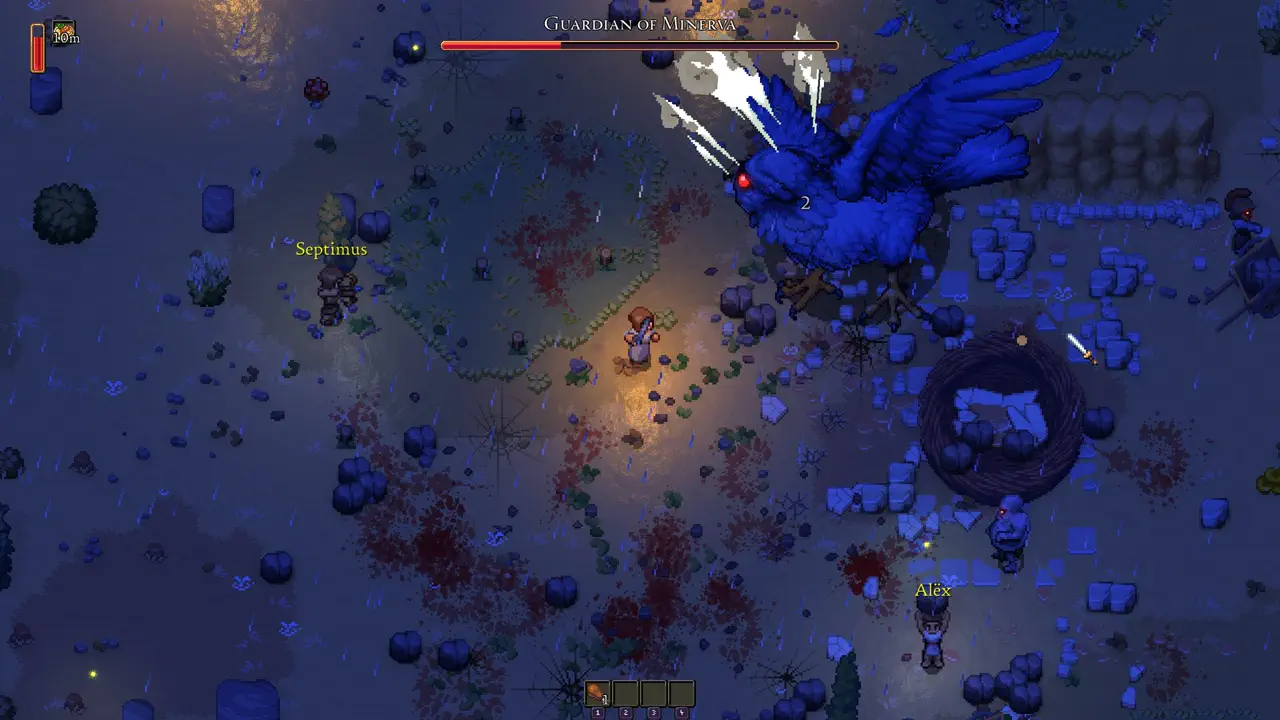
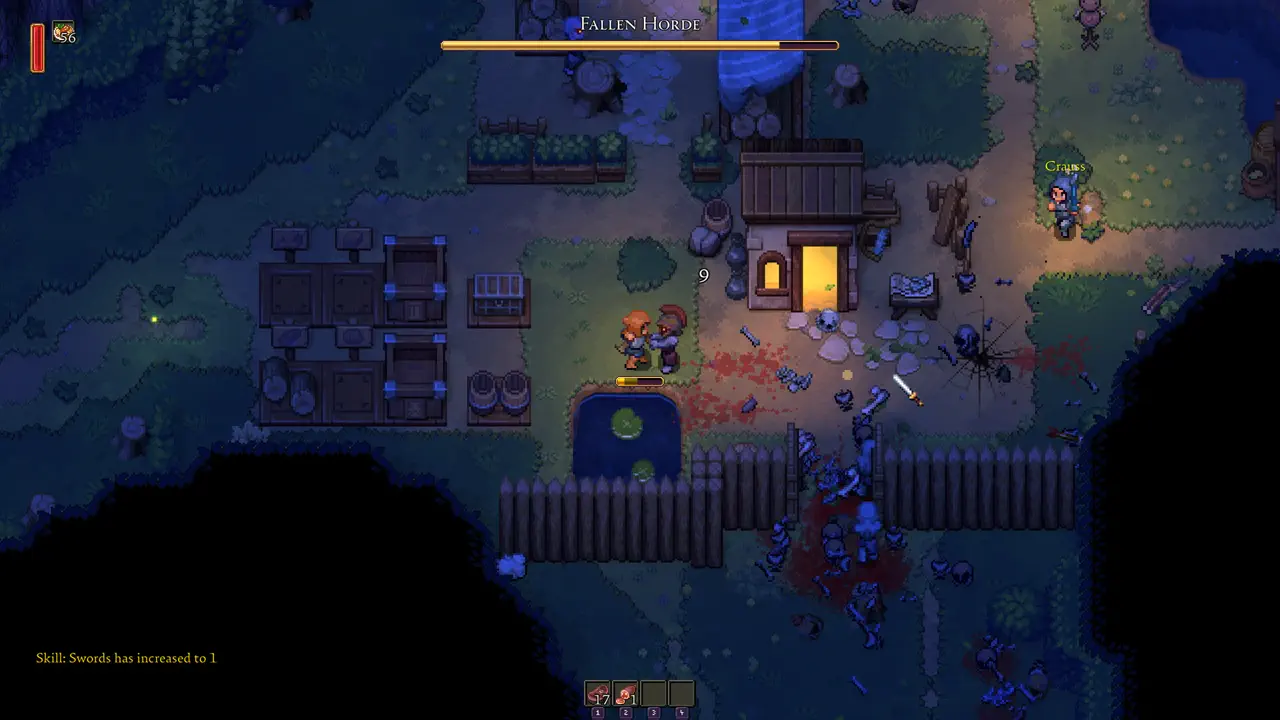
Follow this route during your first hour: gather nearby supplies, build core stations, protect food, then explore.
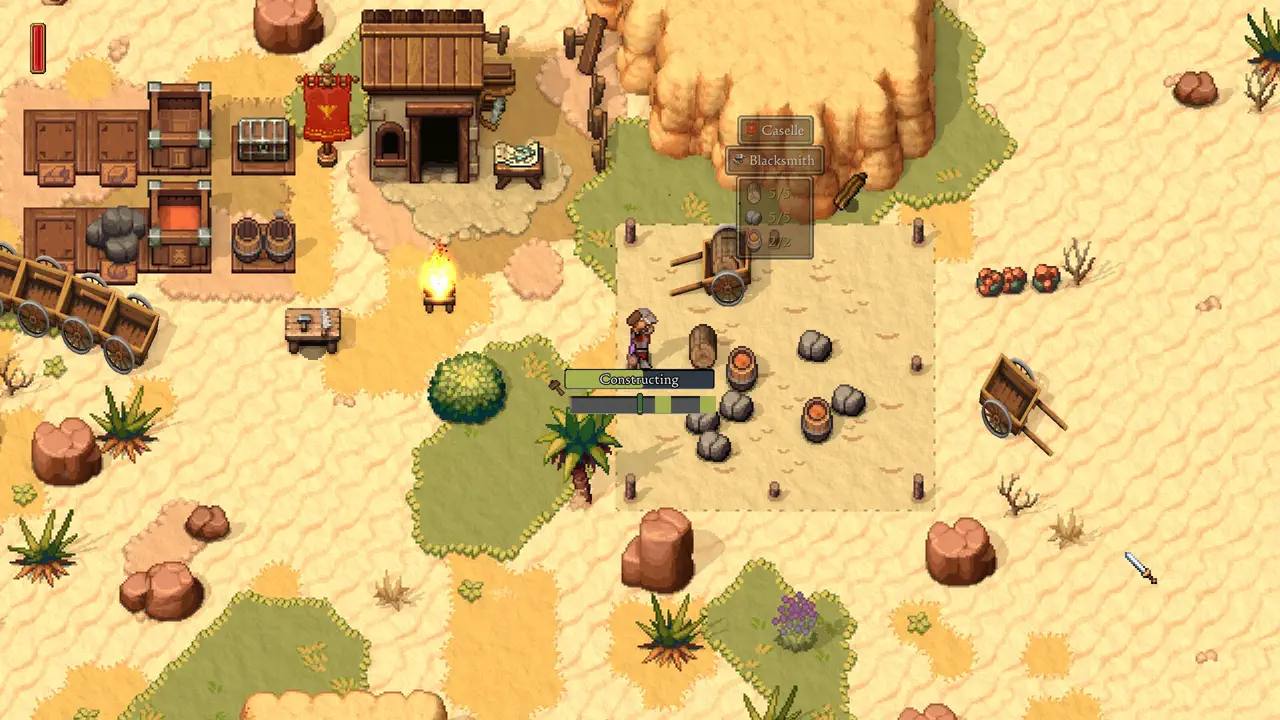
First-Day Priorities
Start close to home. Collect basic materials, identify food sources, build the first useful stations, and keep your settlement readable before adding distant structures.
Actions
Do this now
- Gather wood, stone, and food before long exploration.
- Build stations that open storage, tools, and cooking.
- Keep early buildings close enough to defend.
- Use survivors to reduce repeated chores.
Avoid Early Overextension
The fastest way to weaken a settlement is to spread work across too many directions. Explore when the base has enough supplies to recover from a bad trip.
Actions
Do this now
Beginner Route Through the Site
After this page, read base building for layout, farming for food stability, survivors for job planning, and gods blessings for cautious build direction. Those four pages form the practical first-settlement path.
Actions
Do this now
What Not to Optimize Too Early
Do not chase a perfect blessing, weapon, or endgame layout before your town has food, storage, and defense. In survival builders, early fundamentals usually matter more than an unverified meta route.
Actions
Do this now
Early Resources to Understand
The Romestead wiki describes resources as building inputs that can also become materials for item crafting. Stone, lumber, clay, flint shards, and wood sticks matter because they feed tools, workstations, storage, and the first reliable town loop.
Actions
Do this now
When to Automate Resources
Manual gathering is fine at the start, but the wiki notes that many resources can later be automated with a matching building, an assigned worker, logistics movement, and material storage. Automate the resource you keep running out of first.
Actions
Do this now
First Hour Route
A safe first hour should feel boring in a good way: gather close materials, make storage readable, build only what supports the next job, and return before a risky trip becomes expensive. Do not measure progress by distance explored; measure it by whether the town can recover.
Actions
Do this now
- Minutes 0-15: collect close food, stone, sticks, and lumber without starting distant fights.
- Minutes 15-30: place storage and the first useful workstation cluster.
- Minutes 30-45: secure food and identify the next missing material.
- Minutes 45-60: scout one nearby route, then return and repair the town loop.
Beginner Mistakes That Waste a Save
The common early failure is not one bad fight. It is a chain of small planning mistakes: scattered resources, farms too far from storage, too many unfinished structures, and exploration that starts before the base has food and defense.
Actions


