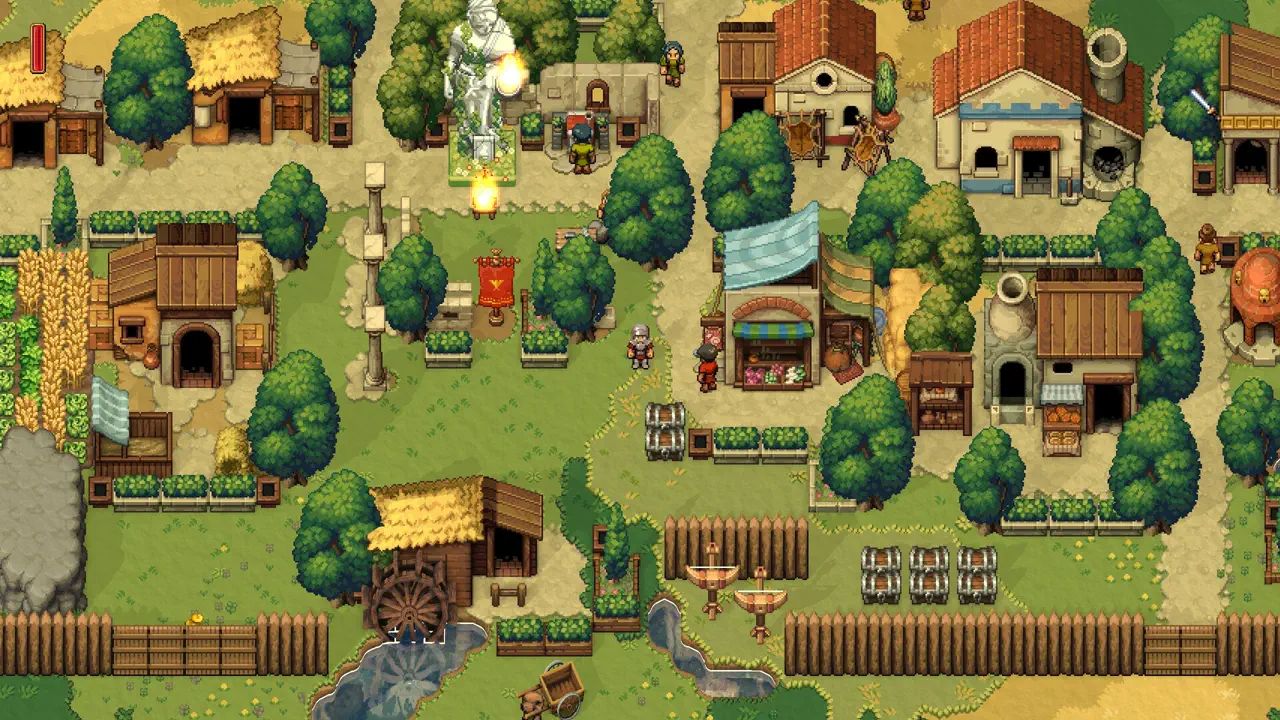
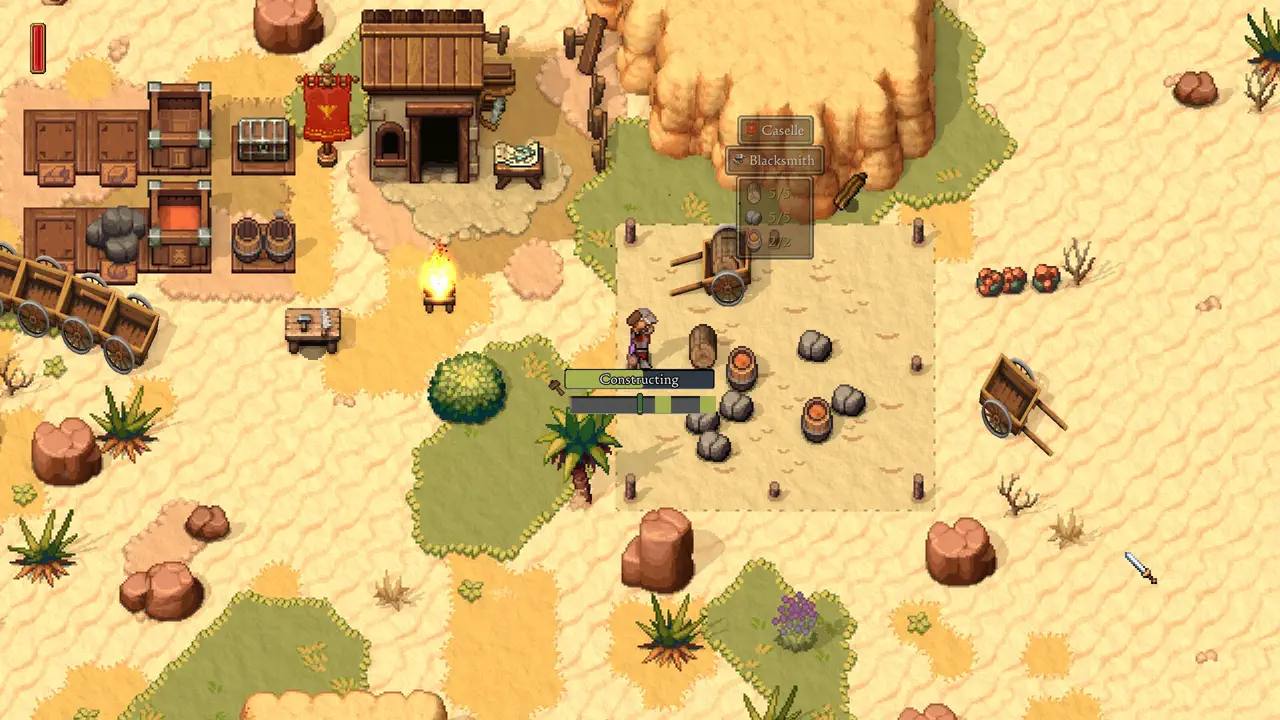
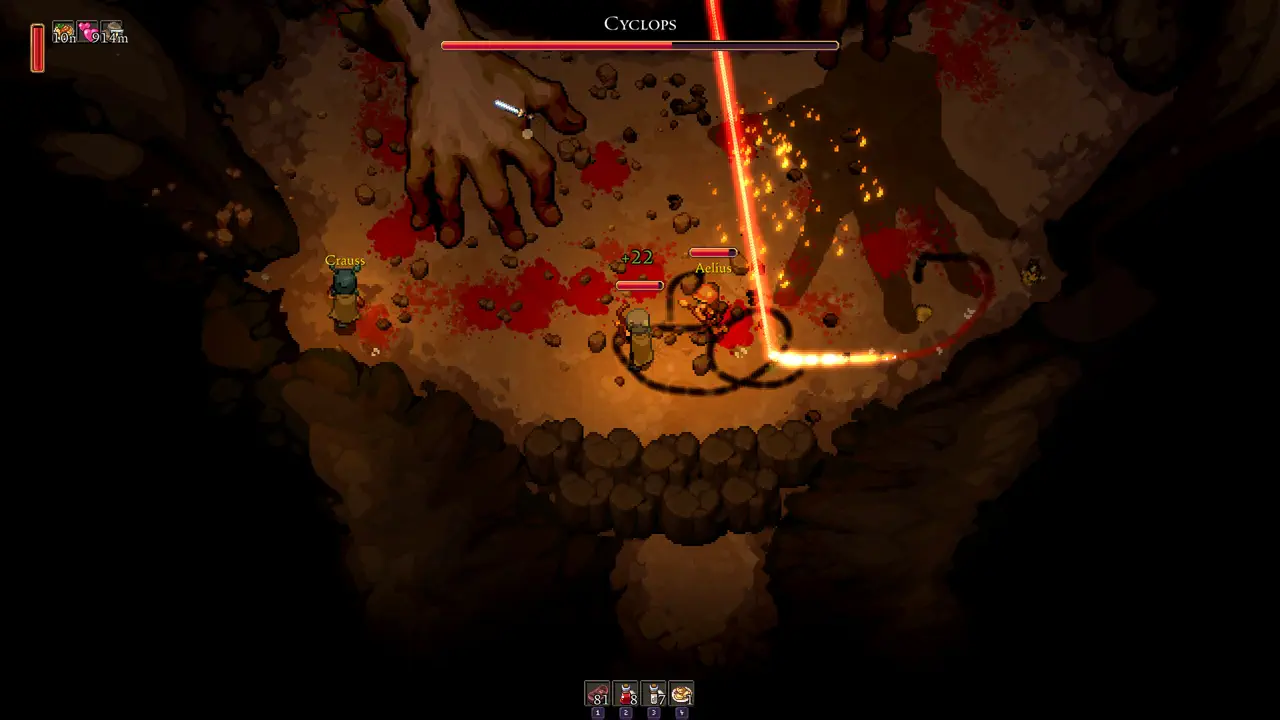
Before a long co-op world, assign roles and test saves, reconnects, storage sharing, and group pacing.
Best First Group Setup
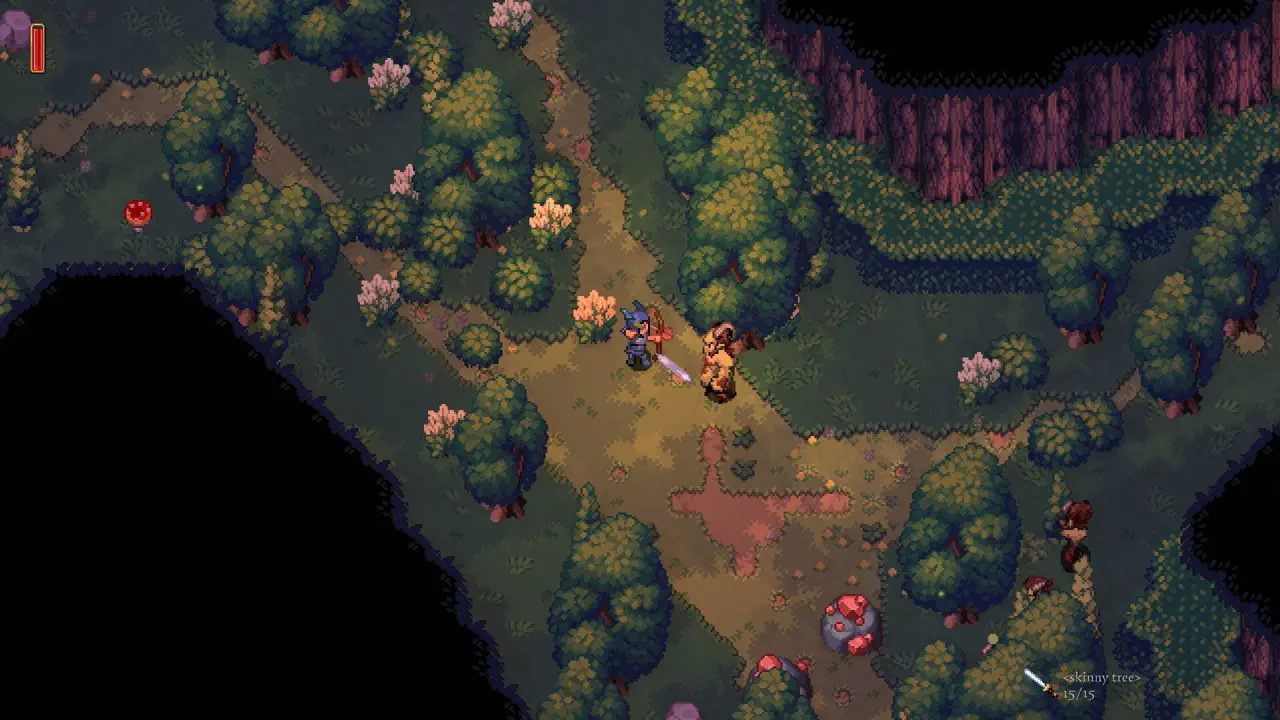
A small group should assign one player to resources, one to building, one to scouting, and one to defense. Larger groups should still keep a clear settlement plan so the town does not become scattered.
Actions
Do this now
Co-op Risks to Test
Before a long run, test reconnects, host saves, permissions, latency, and whether resource sharing feels stable.
Actions
Do this now
How Co-op Connects to Settlement Systems
Co-op works best when each player owns a clear system. One player can maintain food, another can gather building materials, another can scout, and another can prepare defense or crafting upgrades.
Actions
Do this now
Large Group Caution
Eight-player support is exciting, but a larger group can burn through resources and scatter work. Start smaller, learn the settlement rhythm, then scale the group when roles and storage are organized.
Actions
Do this now
30, 60, and 120 Minute Co-op Plan
A co-op group should not treat eight-player support as permission for eight separate plans. Use time boxes. The first 30 minutes should establish storage and food, the first hour should define work zones, and the second hour should test exploration without abandoning the town.
Actions
Do this now
- First 30 minutes: assign builder, gatherer, food lead, and scout.
- First 60 minutes: agree on shared storage names and base expansion direction.
- First 120 minutes: send only part of the group scouting while others keep food and defense stable.
- Before logging off: verify where the save lives and what the next session needs first.
How to Stop Co-op Chaos
Most group problems come from invisible ownership. One player assumes someone else handled food, another drops materials away from storage, and a third starts a fight while the base is exposed. Give every player one recurring responsibility and one backup job.
Actions
Do this now
Co-op Rules That Keep a World Alive
A good group world needs a few simple rules. Decide who can move shared storage, where new structures go, when the group explores, and what must be repaired before logging off. These rules matter more than perfect builds because they keep the settlement understandable between sessions.
Actions
Do this now
- Do not move central storage without telling the group.
- Mark one expansion direction so workstations and farms do not block each other.
- Send a scout pair instead of the whole group when food or defense is weak.
- End each session by naming the next material, food, or defense goal.


