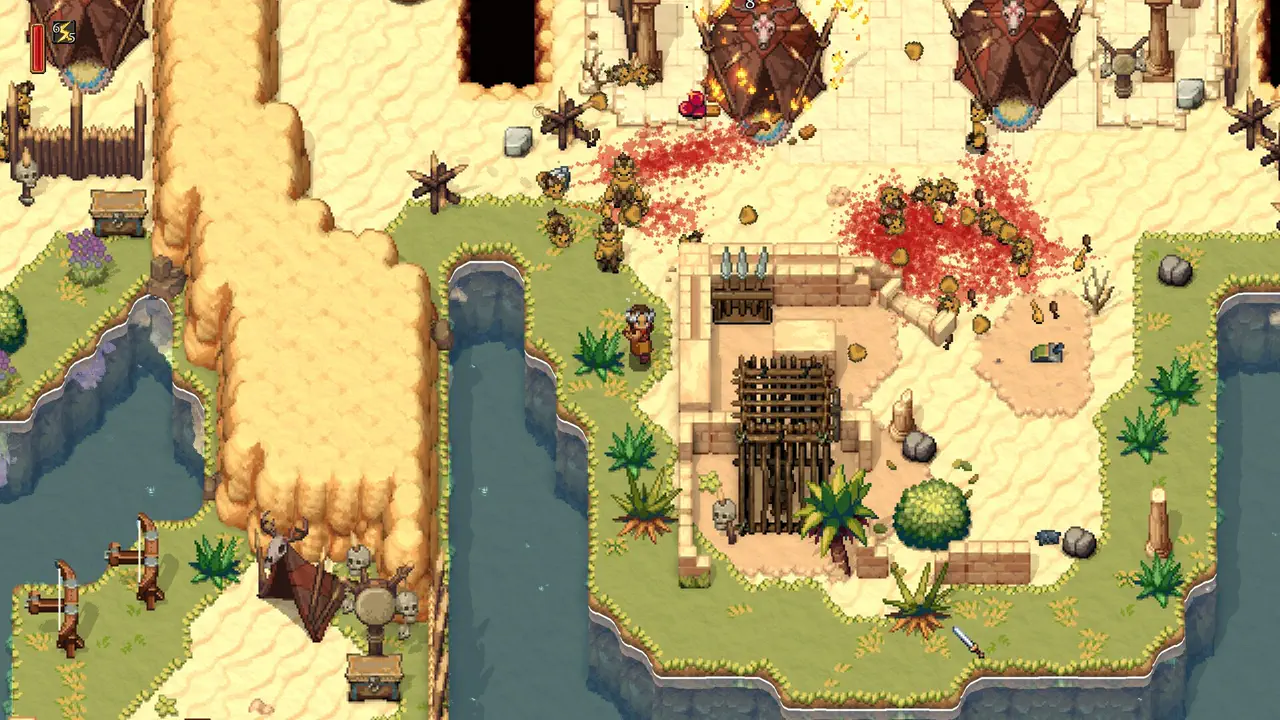
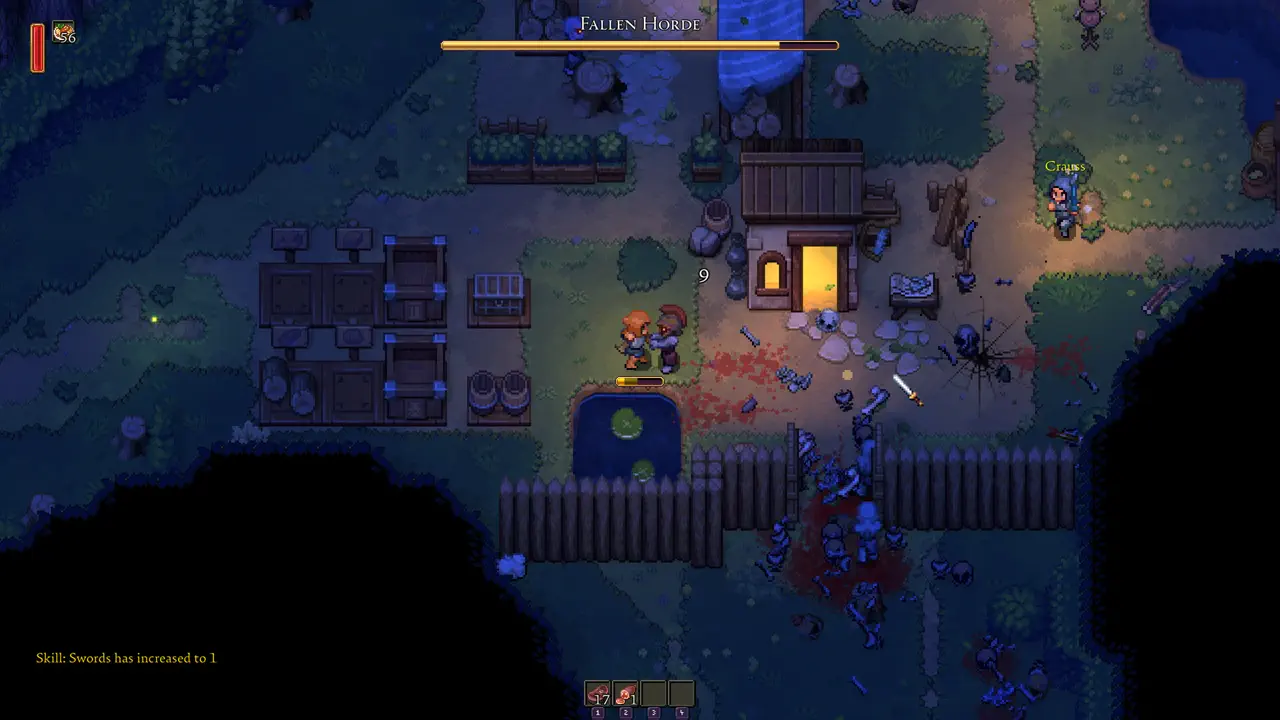
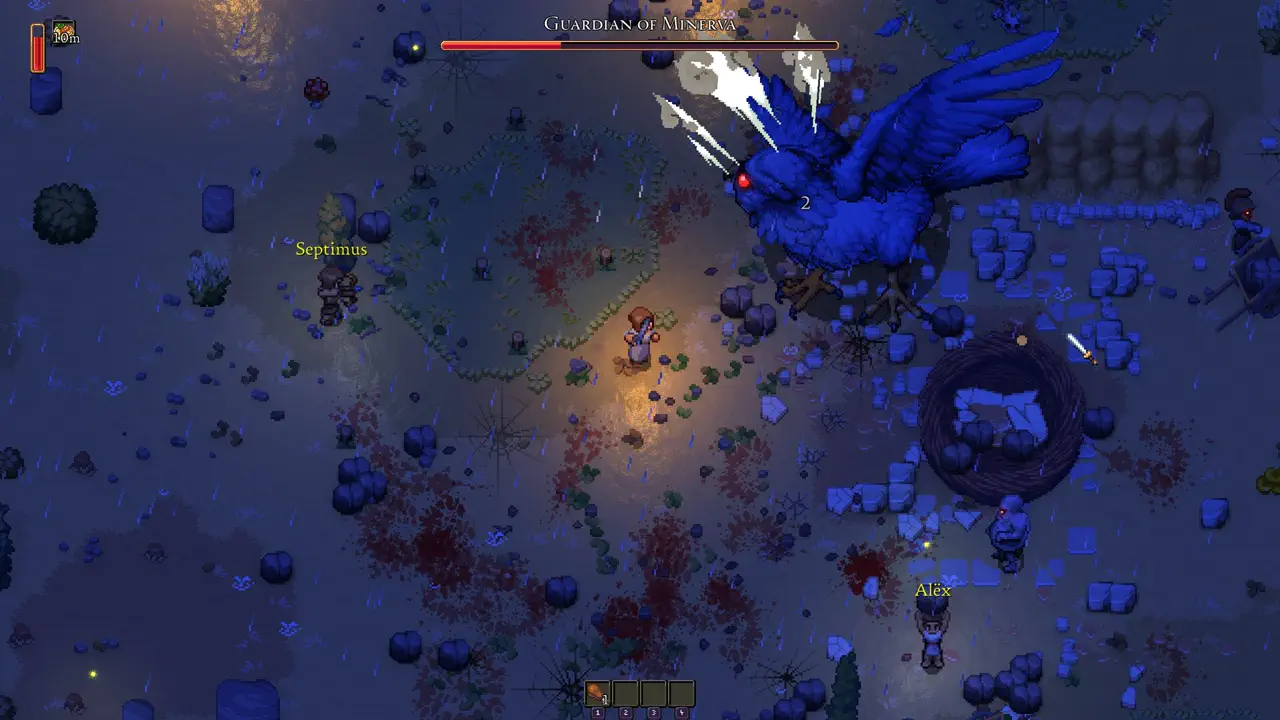
Keep the first base compact: storage near workstations, food protected, paths readable, and expansion space open.
Compact First Base
Keep the first base tight enough that storage, crafting, food, and defense support each other. Leave room for paths so the settlement can grow without blocking future upgrades.
Actions
Do this now
Expansion Timing
Expand after the settlement can handle nights, chores, and resource flow. A wider base creates more walking, more exposed edges, and more planning debt.
Actions
Do this now
Base Building and Farming
Farms should not be placed as an afterthought. Food production needs access to storage, workers, and defense, so base building and farming pages should be used together.
Actions
Do this now
Base Building and Survivors
Survivors make a layout stronger only if jobs are close enough to matter. Long walking routes can turn useful workers into wasted time, especially in larger settlements.
Actions
Do this now
Storage Before Decoration
Resources have weight and movement cost. Put material storage near the workstations that consume stone, lumber, planks, clay, and flint so building does not become a walking simulator.
Actions
Do this now
Build Around the Cart Route
The wiki notes that resources can be carried or moved with a Wooden Cart. Leave enough path space for hauling routes between gathering points, storage, farms, and construction zones.
Actions
Do this now
Base Layout Phases
Think in phases instead of one perfect blueprint. The first phase is survival: storage, food, workstations, and defense close together. The second phase is efficiency: shorter hauling routes and clearer jobs. The third phase is expansion: new zones only after the core keeps working.
Actions
Do this now
- Phase 1: compact core with storage and essential workstations.
- Phase 2: protected farms and clear paths to material storage.
- Phase 3: automation buildings and worker routes around the core.
- Phase 4: expansion zones that do not break old paths.
How to Tell a Base Is Failing
A bad base usually feels slow before it feels dangerous. If players spend more time walking than building, if food is far from storage, or if workers cross exposed routes at night, the layout is creating the problem.
Actions
Do this now
Resource Storage Should Match Use
Do not treat every material pile the same. Keep building materials near construction and workstation zones, keep food near farms and worker paths, and keep exploration supplies easy to grab before leaving town. Storage becomes useful when it answers where a player should drop the next item.
Actions


